Bug That Looks Almost Like a Baby Cockroach
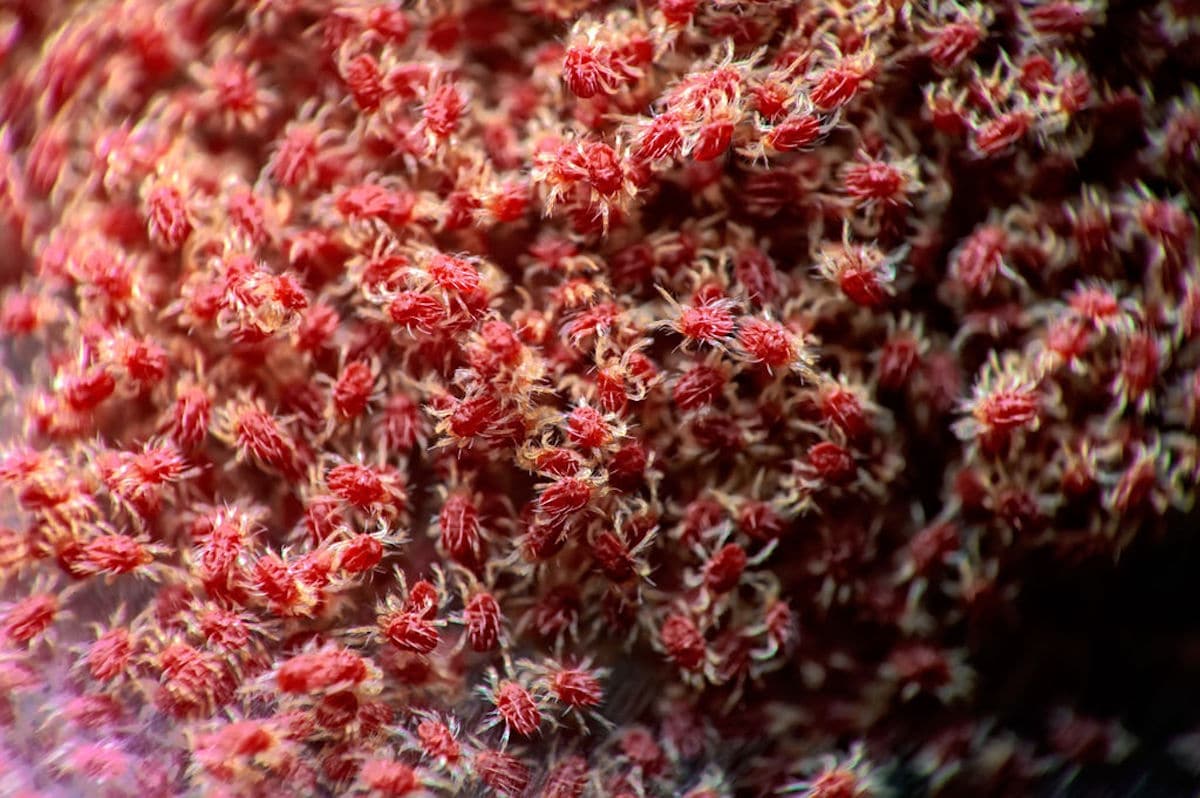
Red welts cover your skin, and you've seen little red-chocolate-brown bugs crawling on the mattress, just are you sure information technology's bed bugs? Bed bugs can be mistaken for many other insects.
Yous need to know what pest you're dealing with to develop your activeness plan. The last thing you lot want to do is pay for an expensive treatment that doesn't target the nuisance pest.
First, let's review what bed bugs look like:
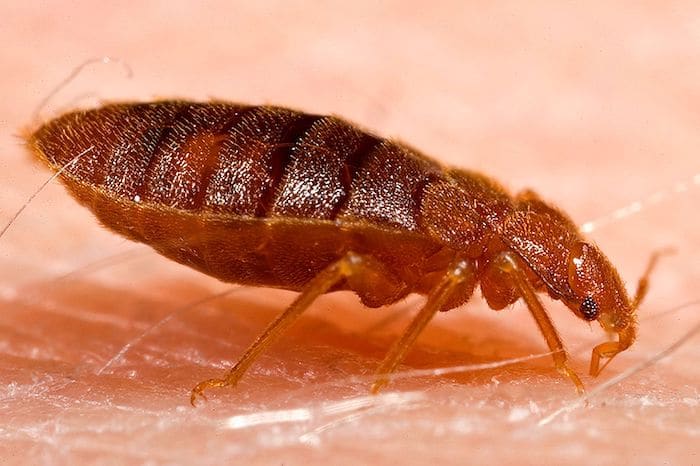
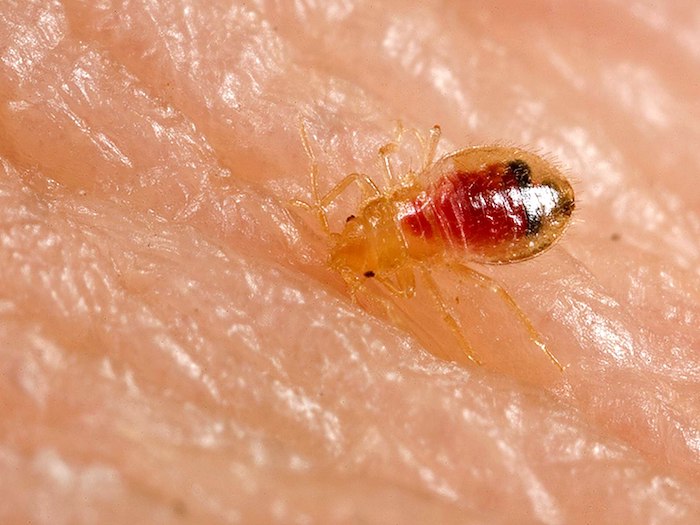
Bed problems nymphs are smaller than adults and are whitish-yellow. When full of blood, they look bright or night ruby. Without any blood, their bodies are translucent and almost invisible.
Bed bugs are the size of a poppy seed when they hatch from eggs. Bed problems eggs are about the size of a pinhead and are pearl-white.
Now permit'due south take a closer look at 9 common insects that are often mistaken for bed bugs:
ix Bed Bug Wait-alikes
1. Baby cockroaches
Baby cockroaches (cockroach nymphs) are oftentimes confused with bed bugs because of their similar coloring.
These young varieties of the most common cockroaches include German cockroaches, American cockroaches, brown-banded cockroaches, and Oriental cockroaches. Cockroaches have a flattened, oval appearance, long antenna, and long bristly legs.
Depending on the species, color ranges from reddish-brown to dark chocolate-brown and from tan to black. Considering they're nymphs, they haven't grown their cockroach wings, which also leads people to confuse them with bed bugs.
Where cockroach nymphs hide: Cockroaches thrive in moist areas where food is prepared or stored. Prime convenance grounds include restaurants, grocery stores, commercial kitchens, sewers, and steam tunnels. You lot may fifty-fifty see cockroaches hiding in your clamber infinite, bath, or basement.
Cockroach nymphs in your home may be a sign of an infestation.
Wellness risk: Because bacteria sticks to a cockroach's body, cockroaches may spread illnesses to people, such as salmonella and gastroenteritis. People allergic to cockroaches may feel asthma attacks, according to the Asthma and Allergy Foundation of America.
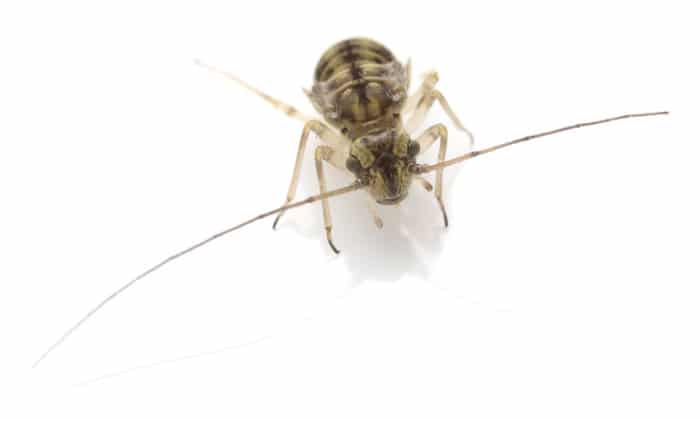
2. Booklice
Booklice, which range in color from translucent white to gray or brown, are easily mistaken for adult bed bugs and babe bed bugs.
Where booklice hibernate: Booklice enjoy a moldy meal from the paste of former book bindings and wallpaper. If booklice are in your stored pantry items, this may be a sign mold is growing on your nutrient.
Wellness hazard: These bugs are a nuisance, but pose no threat. Their damage is typically minor.
Fun fact about booklice: Booklice, besides called psocids, are non actual lice. Although they resemble lice in advent, these piddling bugs feed on mold and fungi rather than blood.
3. Carpet beetles
Developed carpet beetle varieties vary in length, are oval-shaped, and can appear to be bed bug look-alikes. In that location are many species of carpet beetles, including the black, mutual, furniture, and varied carpet beetle.
These minor pests banquet on your creature origin materials, including furs, wools, feathers, or leather. Despite their proper noun, they're not fans of eating the synthetic materials of today's carpet. They'll brand an exception, though, if your carpet has a blend of synthetic materials, animal fabrics, food, sweat, and oils.
Where carpet beetles hide: You'll usually observe carpeting beetles effectually the edges of rugs and carpets, underneath upholstered piece of furniture, or underneath baseboards.
Health risk: Rug beetle larvae don't pose much danger to you, but they can cause meaning damage to your carpet or your favorite wool sweater. The damage unremarkably appears in one ruined patch, rather than many scattered holes. Carpet beetles also exit behind molted shells.
4. Spider beetles
Spider beetles may resemble a bed bug that has simply feasted on claret.
What is a spider protrude? These bugs await like small spiders due to their long legs and large, rounded abdomens. The American spider beetle has a reddish-brown to blackness, shiny, world-shaped abdomen and stake yellowish legs, head, thorax, and antennae.
Where spider beetles hide: Spiders beetles may provender in grain mills, pantries, warehouses, and attics that contain bird, rodent, or bat droppings.
Health risk: These pests can bite, and they may infest your foods.
v. Bat bugs
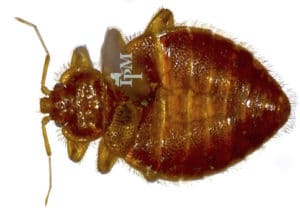
Like bed bugs, bat bugs have an oval trunk and a brusque, broad caput attached to the prothorax. The master divergence betwixt these two expect-alikes is that bat bugs accept longer (and more than) hairs on their thorax.
Where bat bugs hide: Bat bugs develop in colonies of roosting bats, most often occurring in attics, backside walls, or in chimneys. When bats leave or are removed from the dwelling, the remaining bat bugs may move into your living infinite and hide in dark crevices and material folds, including your mattress.
Health risk: Bat bugs primarily suck the blood of bats and will just seize with teeth humans if their bat host is unavailable. Although bat bugs are not known to transmit whatever diseases to people, their presence can cause anxiety and indisposition in some people.
six. Ticks
Ticks are claret-sucking parasites, like bed bugs, and they tin resemble each other until you look closely. The key difference? The number of their legs. Bed bugs, which are insects, have half dozen legs; and ticks, which are arachnids, have eight.
Ticks attach to humans, pets, livestock, and wild animals. There are many types of ticks, each with unlike physical traits. Virtually ticks are pocket-sized, dark in color, and flat when unfed.
Where ticks hide: Ticks are most unremarkably found attached to their host or outdoors in moist, shady areas with tall grass or overgrown vegetation. Occasionally a tick may exist constitute indoors subsequently existence brought inside. Tick infestations indoors are rare, but they tin can occur if a female tick lays her eggs in your abode.
Health risk: Ticks tin can pass many pathogens, like Lyme disease, to people, pets, and other animals. If these diseases are left untreated, many can become life-threatening. It's essential to know how to identify a tick dentify and how to remove a tick.
vii. Fleas
Fleas can exist some other bed bug impostor. Fleas can motion chop-chop through fur, woven fabrics, and hair due to their narrow bodies, spiny legs, and backward-pointing beard. Their hind legs brand them excellent jumpers. These blood-suckers feed on cats, dogs, mice, birds, people, and many other warm-blooded animals.
Where fleas hide: Dogs and cats offering a feast for fleas, and pets are the principal way fleas get inside homes. Await for flea larvae in floor cracks, carpets, mattresses, or pet beds. Fleas especially like places where they tin feed on nutrient, animal waste, and adult flea feces.
Health risk: Though rare, fleas are capable of passing diseases (including typhus and plague) to people. Some people and pets may besides experience astringent allergic reactions to a flea's saliva. Your pet may experience anemia due to blood loss.
eight. Head lice
Is it a bed bug or lice? These 2 pests often are mistaken for each other.
Lice are host specific, and so lice infesting dogs can't drift to y'all, and yous can't transmit this pest to your domestic dog.
Head lice only affect people and are typically gray simply tin take on their host's hair color. The female is about 1/sixteen to 1/eight-inch long and flat in shape while the male is a bit smaller. Caput lice cannot jump or wing.
If yous have head lice and don't get treatment, the lice will continue to feed on your claret and may excrete dark scarlet feces onto your scalp.
Where head lice hide: Caput lice typically gather nigh the lower back of the head and backside the ears.
Health risk: Co-ordinate to the Centers for Affliction Control and Prevention (CDC), head lice may cause astringent itchiness in the scalp and lack of sleep. Excessive scratching may increase your risk of developing a secondary peel infection. Knowing rubber and effective ways to remove lice can help yous manage these risks.
ix. Mites
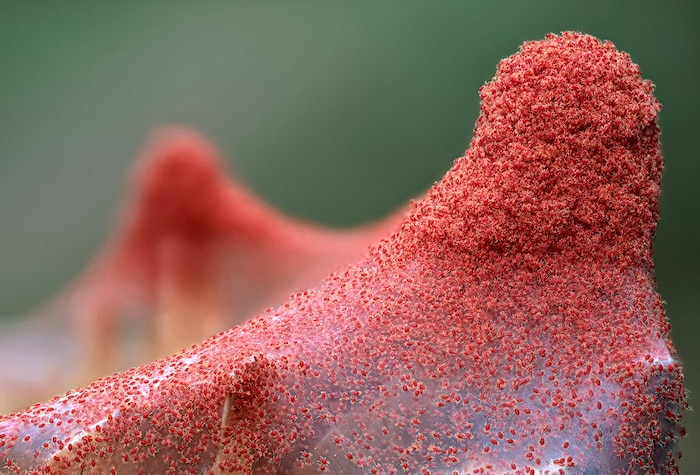
Mites and bed bugs can look similar to some people.
There are thousands of mite species, many of which live on animals. Mites are tiny, and many can exist seen with the naked eye. They measure 2 mm (or less) in length, take eight legs, and take little to no sectionalization.
Where mites hide: Mites have a gratis-range lifestyle. Some feed on decaying organic matter, while others forage on insects and other mites. Some mite species inhabit their host'southward ear canals, lungs, intestine, and float, particularly in domestic animals.
Health risk: According to the World Wellness Organization, some mites are vectors of rickettsial diseases, such as typhus fever, and several viral diseases. Sure mites crusade scabies, a contagious, intensely itchy skin condition in which tiny mites couch into the skin.
Exercise You Have a Bed Issues Trouble?
Although bed bugs have many doppelgängers, some signs may point to a bed bug infestation.
For starters, where did you find the suspected bed problems? Not all bed issues expect-alikes are going to be hiding in the mattress, so where you find the bug can help you with identification.
If y'all found the bug in the bed, then odds are higher that you may take bed bugs. Is your head itchy? And then you're probably not dealing with bed bugs.
Keep in listen that bed problems bites are non enough to make up one's mind a bed bug infestation, as their bites expect similar to flea bites and mosquito bites.
Conduct your own investigation. What pest in the bug lineup of photos above is the best match? If it looks like the cockroach nymph, you don't have a bed bug problem but may have a different pest problem to solve.
Bed bug removal is costly, and so exist sure y'all are dealing with a bed bug and not a cockroach or other pest control trouble. Knowing ways to prevent bed bugs and how to cheque for bed bugs are essential to managing bed bugs.
When to Call a Pest Control Pro
When your problems investigation hits a dead end and you're stuck identifying the bug you lot found, call an expert.
A pest command professional almost you tin aid identify the issues that acquired your welts, draft a treatment plan and close the case of the mysterious issues you found in your home.
Main Photo Credit: Ruby-red spider mites / Aleksey Gnilenkov / CC BY 2.0

Jane Purnell
Jane Purnell is a freelance writer and histrion in New York City. She earned her B.A. from the University of Virginia and enjoys a warm cup of French press java.
Source: https://www.lawnstarter.com/blog/pest-control/bugs-that-look-like-bed-bugs/
0 Response to "Bug That Looks Almost Like a Baby Cockroach"
Post a Comment